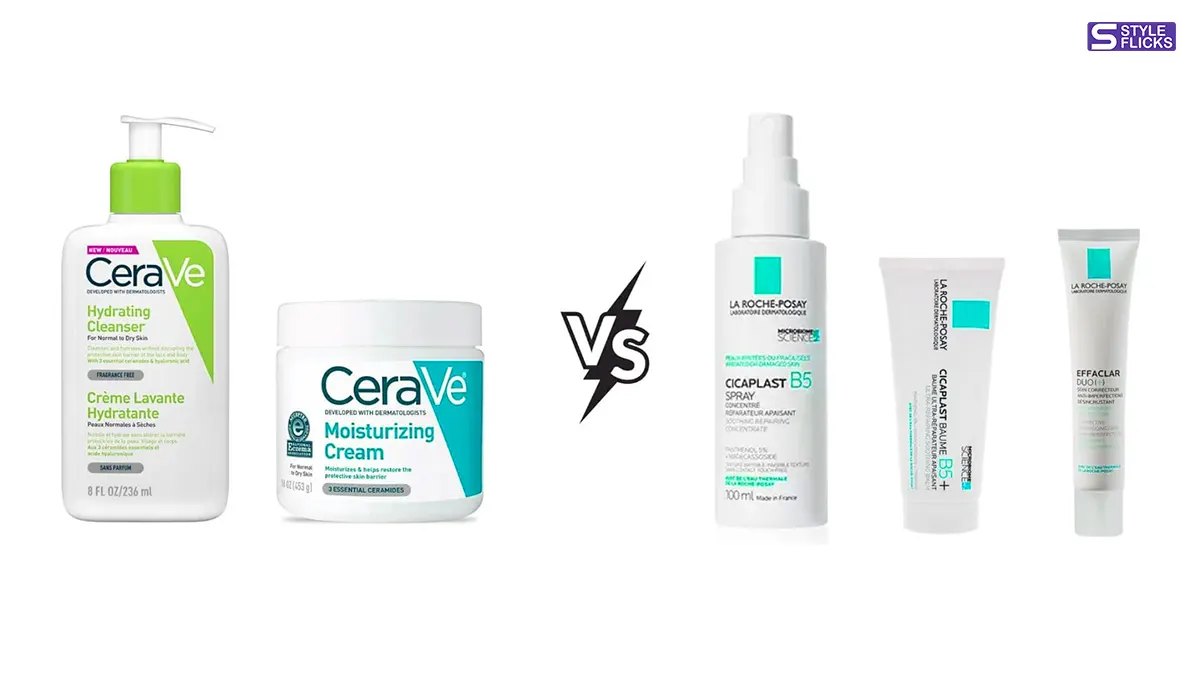
If you've spent any time exploring dermatologist-recommended skincare, you've likely come across two names over and over again: CeraVe and La Roche-Posay. Both brands have earned loyal followings for their science-backed formulas, skin-friendly ingredients, and accessibility. But while they may appear similar on the shelf, they cater to different skincare goals.
So, which one deserves a place in your routine?
The answer depends on your skin type, concerns, and budget. If you're dealing with a compromised skin barrier, persistent acne, dryness, or sensitive skin, understanding the strengths of each brand can help you make a more informed choice.
In this detailed comparison, we'll break down everything from ingredients and best-selling products to pricing, textures, and overall performance, so you can confidently decide which skincare brand is right for you.
Quick Answer
CeraVe vs La Roche-Posay at a Glance
Before diving into the details, here's a quick overview of how the two brands compare.
|
Feature |
CeraVe |
La Roche-Posay |
|
Founded |
2005 |
1975 |
|
Country |
United States |
France |
|
Dermatologist Recommended |
✔ |
✔ |
|
Fragrance-Free Options |
Extensive |
Extensive |
|
Best Known For |
Skin barrier repair |
Sensitive skin & targeted treatments |
|
Hero Ingredients |
Ceramides, Hyaluronic Acid |
Thermal Spring Water, Niacinamide, Ceramides |
|
Price Range |
$$ |
$$$ |
|
Best For |
Dry, compromised skin |
Acne, redness, sensitive skin |
While both brands prioritize gentle, dermatologist-developed formulas, their approach to skincare differs in meaningful ways.
Understanding the Brands
CeraVe: Simplicity Meets Barrier Repair
Developed in collaboration with dermatologists, CeraVe was built around one core mission: restoring and protecting the skin's natural barrier.
Everyday factors like harsh cleansers, over-exfoliation, pollution, and weather can weaken this barrier, leading to dryness, irritation, and increased sensitivity. CeraVe's formulations are designed to replenish essential lipids and maintain long-term hydration rather than offering quick cosmetic fixes.
One of the brand's biggest strengths is consistency. Across cleansers, moisturizers, and treatments, you'll find a familiar lineup of skin-supporting ingredients that work together to keep the barrier healthy.
Best for:
- Dry skin
- Dehydrated skin
- Eczema-prone skin
- Beginners
- Budget-conscious shoppers
La Roche-Posay: Advanced Care for Sensitive Skin
La Roche-Posay takes a more targeted approach. Backed by decades of dermatological research, the French pharmacy brand develops products that address specific concerns such as acne, rosacea, pigmentation, and sun damage.
A defining feature of the brand is its use of Thermal Spring Water, which contains naturally occurring minerals and selenium. While it's not a miracle ingredient, it's valued for its soothing properties and is incorporated into many of the brand's products to help calm sensitive or reactive skin.
The result is a skincare range that feels more specialized, making it a favorite among those looking to treat particular skin conditions rather than simply maintain healthy skin.
Best for:
- Acne-prone skin
- Redness
- Rosacea
- Combination skin
- Sensitive skin
- Daily sunscreen users
Ingredient Comparison
Ingredients are where the biggest differences between the two brands become apparent.
CeraVe's Ingredient Philosophy
Rather than relying on trendy actives, CeraVe focuses on a small number of proven ingredients that support the skin barrier.
Key Ingredients
Ceramides: Ceramides are naturally occurring lipids that help hold skin cells together and prevent moisture loss. CeraVe includes three essential ceramides in many of its products, making barrier repair its standout strength.
Hyaluronic Acid: Known for attracting and retaining moisture, hyaluronic acid helps keep skin hydrated without feeling heavy.
MVE Technology: CeraVe's patented MultiVesicular Emulsion (MVE) Technology gradually releases moisturizing ingredients throughout the day, providing extended hydration after application.
Best suited for: Dry, dehydrated, or compromised skin.
La Roche-Posay's Ingredient Philosophy
La Roche-Posay combines barrier-supporting ingredients with targeted actives designed to address specific concerns.
Thermal Spring Water: The brand's signature ingredient is rich in selenium, a mineral known for its antioxidant properties. It helps soothe skin and reduce feelings of irritation, particularly in sensitive complexions.
Niacinamide: Frequently found in the brand's moisturizers and serums, niacinamide supports the skin barrier while helping reduce redness and improve uneven skin tone.
Salicylic Acid & Benzoyl Peroxide: Many of La Roche-Posay's acne-focused products incorporate dermatologist-approved ingredients to treat blemishes without overly stripping the skin.
Verdict
If your skincare routine revolves around hydration and barrier repair, CeraVe has a clear advantage.
If you're targeting concerns like acne, discoloration, or redness, La Roche-Posay offers a more comprehensive range of treatment-focused formulations.
Winner: Depends on your skin goals.
Moisturizer Comparison
A moisturizer is often the foundation of any skincare routine, making this one of the most important comparisons.
CeraVe Moisturizing Cream
Often considered a cult favorite, this rich cream is formulated for face and body and is particularly effective for dry or compromised skin.
What We Love
- Deep, long-lasting hydration
- Rich without feeling greasy
- Fragrance-free
- Excellent value for money
- Suitable for eczema-prone skin
Considerations
- The thick texture may feel too rich for oily skin.
- The packaging is more functional than luxurious.
Best For: Dry, very dry, and dehydrated skin.
La Roche-Posay Toleriane Double Repair Face Moisturizer
This moisturizer delivers hydration while maintaining a lightweight, breathable feel, making it especially popular among combination and sensitive skin types.
What We Love
- Fast-absorbing texture
- Layers beautifully under sunscreen and makeup
- Helps strengthen the skin barrier
- Comfortable enough for year-round use
Considerations
- Costs slightly more than comparable CeraVe products.
- May not feel rich enough for extremely dry skin.
Best For: Combination, normal, and sensitive skin.
Moisturizer Verdict
If your skin constantly feels tight or flaky, CeraVe's richer formula offers better long-term comfort.
If you prefer lightweight hydration that sits well beneath makeup, La Roche-Posay takes the lead.
Winner: Tie based on skin type.
Cleanser Comparison
A cleanser should remove dirt, oil, and sunscreen without disrupting the skin barrier. Fortunately, both brands excel in this category.
CeraVe Hydrating Cleanser
This cream cleanser has become a staple for people with dry and sensitive skin thanks to its gentle, non-foaming formula.
Pros
- Doesn't leave skin feeling stripped
- Supports the skin barrier
- Fragrance-free
- Suitable for twice-daily use
It leaves behind a soft, hydrated finish, making it an excellent option during colder months or for those using prescription skincare.
La Roche-Posay Toleriane Hydrating Gentle Cleanser
While similar in purpose, La Roche-Posay's version has a silkier texture and a slightly more luxurious feel during application.
Pros
- Removes impurities effectively
- Gentle enough for reactive skin
- Comfortable after cleansing
- Pairs well with active treatments
Many users appreciate its lightweight finish, particularly if they have combination skin or dislike richer cleansers.
Cleanser Verdict
Performance-wise, the difference is surprisingly small. Both cleansers effectively cleanse without disrupting the skin barrier.
The deciding factor often comes down to personal preference:
- Prefer a richer, creamier cleanse? Choose CeraVe.
- Prefer a lighter, silky texture? Choose La Roche-Posay.
Winner: Tie.
Sunscreen Comparison
Daily sunscreen is one of the most important steps in any skincare routine, and this is where La Roche-Posay has built an outstanding reputation.
While both brands offer broad-spectrum SPF options, the difference lies in the overall formulation and wearability.
CeraVe Sunscreens
CeraVe's sunscreen lineup focuses on combining UV protection with skin barrier support. Many formulas include ceramides, niacinamide, and hyaluronic acid, making them ideal for those with dry or sensitive skin.
What We Like
- Broad-spectrum UVA and UVB protection
- Hydrating formulas
- Fragrance-free options
- Affordable pricing
- Barrier-supporting ingredients
Considerations
Some mineral formulas may leave a slight white cast, especially on deeper skin tones, and a few products can feel heavier under makeup.
La Roche-Posay Anthelios Collection
The Anthelios range is widely regarded as one of the best drugstore sunscreen collections available.
Its lightweight textures, high UVA protection, and elegant finishes have made it a favorite among dermatologists and beauty editors alike.
Why It Stands Out
- Lightweight, non-greasy formulas
- Layers seamlessly under makeup
- Minimal white cast
- Suitable for sensitive skin
- Available in mineral and chemical formulations
For people who wear sunscreen every day, texture matters just as much as protection—and this is where La Roche-Posay consistently excels.
Winner: La Roche-Posay
Acne Treatment Comparison
If acne is your primary concern, both brands offer effective solutions, but their approaches are noticeably different.
CeraVe for Acne
CeraVe keeps things straightforward with products formulated around proven ingredients such as:
- Salicylic Acid
- Benzoyl Peroxide
- Niacinamide
- Ceramides
These products focus on treating breakouts while helping preserve the skin barrier—an important consideration since many acne treatments can be drying.
Best For
- Occasional breakouts
- Teen acne
- Mild congestion
- Sensitive, acne-prone skin
La Roche-Posay for Acne
La Roche-Posay's Effaclar line is specifically designed for oily and acne-prone skin and includes cleansers, serums, spot treatments, and moisturizers that work together to target multiple stages of acne.
Rather than simply drying out blemishes, many formulas are designed to help reduce excess oil, unclog pores, and improve the appearance of post-acne marks.
Best For
- Persistent acne
- Oily skin
- Adult acne
- Post-inflammatory hyperpigmentation
- Enlarged pores
Winner: La Roche-Posay
If acne management is your top priority, La Roche-Posay offers a broader and more specialized range.
Which Brand Is Better for Different Skin Types?
The "better" brand ultimately depends on your skin's individual needs.
|
Skin Type |
Best Choice |
Why |
|
Dry Skin |
CeraVe |
Rich, barrier-supporting hydration |
|
Oily Skin |
La Roche-Posay |
Lightweight, oil-balancing formulas |
|
Combination Skin |
La Roche-Posay |
Elegant textures without heaviness |
|
Sensitive Skin |
La Roche-Posay |
Soothing formulations for reactive skin |
|
Eczema-Prone Skin |
CeraVe |
Excellent barrier repair with ceramides |
|
Acne-Prone Skin |
La Roche-Posay |
More targeted treatment options |
|
Mature Skin |
La Roche-Posay |
Wider range of anti-aging products |
|
Beginner Skincare Routine |
CeraVe |
Affordable, simple essentials |
Pros & Considerations
CeraVe
Pros
✔ Excellent value for money
✔ Dermatologist-developed
✔ Barrier-repair focused
✔ Fragrance-free options
✔ Widely available
✔ Beginner-friendly
Considerations
- Limited luxury appeal
- Fewer targeted treatments
- Some products feel thick on oily skin
La Roche-Posay
Pros
✔ Outstanding sunscreen range
✔ Excellent for acne and sensitive skin
✔ Elegant textures
✔ Broad product selection
✔ Innovative formulations
✔ Trusted by dermatologists worldwide
Considerations
- Higher price point
- Some specialized products may not be necessary for uncomplicated skin
Editor's Verdict
When comparing CeraVe vs La Roche-Posay, it's tempting to declare one brand the winner but that would oversimplify what each does best.
CeraVe has become a staple because it offers reliable, science-backed skincare at an accessible price. Its focus on ceramides and barrier repair makes it one of the best choices for dry, sensitive, and compromised skin.
La Roche-Posay, meanwhile, stands out for its innovation. From lightweight sunscreens to targeted acne treatments and soothing products for reactive skin, the brand provides solutions for concerns that often require more than basic hydration.
Conclusion
When it comes to CeraVe vs La Roche-Posay, there's no one-size-fits-all winner both brands have earned their place among the best drugstore skincare options. CeraVe stands out for its affordable, barrier-repairing formulas that are ideal for dry and sensitive skin, while La Roche-Posay shines with targeted treatments for concerns like acne, redness, and sun protection. The best choice ultimately depends on your skin type, concerns, and skincare goals. If you're building a simple everyday routine, CeraVe is an excellent starting point. If you're looking for more advanced solutions, La Roche-Posay is well worth the investment and for many people,
Frequently Asked Questions
Q1. Is CeraVe better than La Roche-Posay?
Neither brand is universally better. CeraVe is ideal for hydration and skin barrier repair, while La Roche-Posay offers more specialized solutions for acne, redness, and sun protection.
Q2. Which brand do dermatologists recommend most?
Both brands are frequently recommended by dermatologists because they use evidence-based ingredients and formulate products suitable for sensitive skin. The best choice depends on your individual skin concerns.
Q3. Which brand is better for dry skin?
CeraVe is generally the better choice for dry skin thanks to its ceramide-rich moisturizers and barrier-repair technology.
Q4. Is La Roche-Posay worth the extra money?
If you're treating acne, rosacea, or looking for a high-performance sunscreen, many users find La Roche-Posay's specialized formulations worth the higher price.
Q5. Can I use CeraVe and La Roche-Posay together?
Absolutely. Many dermatologists recommend mixing products from different brands. For example, you might cleanse and moisturize with CeraVe while using a La Roche-Posay sunscreen or acne treatment.
Q6. Which brand is better for sensitive skin?
Both perform well, but La Roche-Posay has a slight edge due to its targeted products for reactive and redness-prone skin.
Q7. Is CeraVe or La Roche-Posay better for acne?
For mild breakouts, CeraVe is a solid choice. For persistent acne or oily skin, La Roche-Posay's Effaclar range offers more comprehensive treatment options.