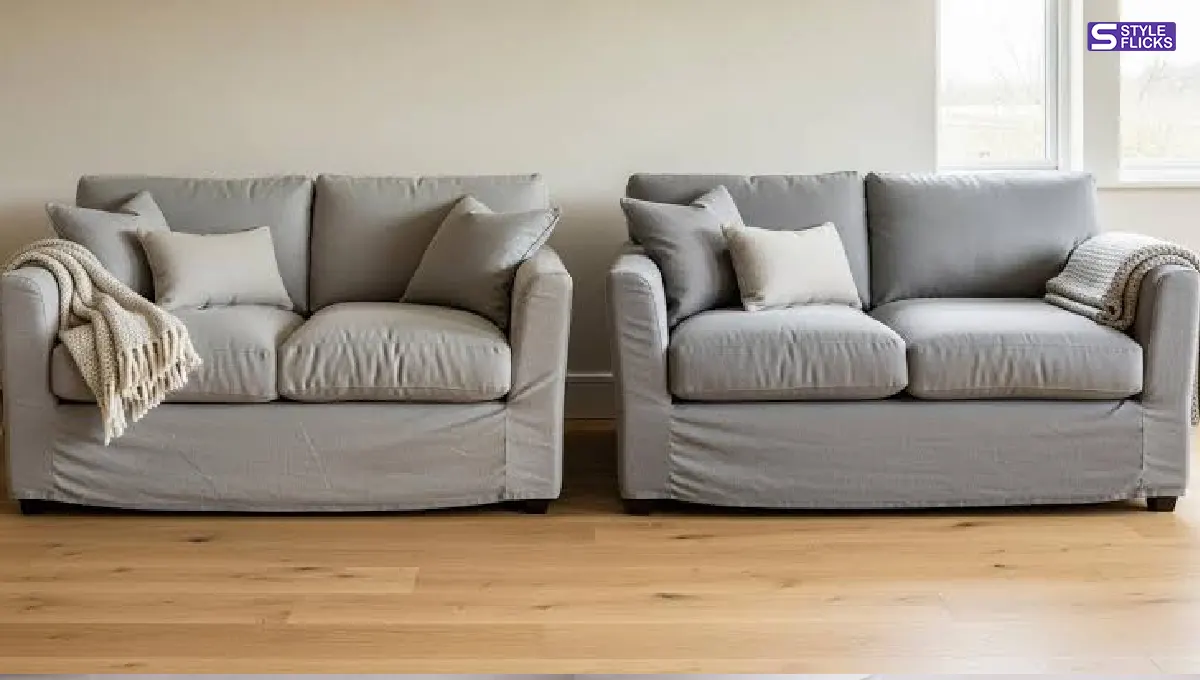
The IKEA vs West Elm debate is one many homeowners face when shopping for stylish, long-lasting furniture. Both brands have built loyal followings, but they cater to different budgets and expectations. IKEA excels in affordable, space-saving solutions, while West Elm focuses on elevated design and higher-quality materials. In this comprehensive furniture brand comparison, we'll compare pricing, craftsmanship, durability, customer experience, and sustainability to help you determine which brand offers the best value for your home.
Quick Overview
Choosing between IKEA and West Elm isn't just about price, it's about finding furniture that matches your lifestyle, design preferences, and long-term goals. While IKEA is known for affordable, functional Scandinavian designs, West Elm offers premium craftsmanship with a modern aesthetic. This comparison explores how the two brands differ in quality, durability, style, sustainability, and overall value. Whether you're furnishing your first apartment or investing in a forever home, this guide will help you make a confident buying decision in 2026.
IKEA vs West Elm: Which Brand Is Better?
When furnishing a home, few decisions spark as much debate as IKEA vs West Elm. Both brands dominate the modern furniture market, but they appeal to very different shoppers.
IKEA has built its reputation on affordable Scandinavian design and flat-pack convenience, making stylish furniture accessible to millions. West Elm, meanwhile, positions itself as a premium contemporary furniture retailer, offering elevated designs, higher-end materials, and a stronger emphasis on craftsmanship.
So which brand actually offers furniture that lasts?
The answer depends on your priorities. If you're furnishing your first apartment or working with a tight budget, IKEA remains one of the strongest values on the market. But if you're looking for investment pieces designed to stay with you for years, West Elm often justifies its higher price tag.
Let's compare both brands across the factors that matter most.
IKEA vs West Elm at a Glance
|
Feature |
IKEA |
West Elm |
|
Price |
★★★★★ |
★★★☆☆ |
|
Design |
★★★★☆ |
★★★★★ |
|
Durability |
★★★☆☆ |
★★★★☆ |
|
Customization |
Limited |
Extensive |
|
Sustainability |
Strong |
Very Strong |
|
Assembly |
DIY |
Delivery & White Glove Available |
|
Best For |
Budget-conscious buyers |
Long-term investment furniture |
Brand Philosophy
IKEA
Founded in Sweden, IKEA focuses on making modern furniture affordable for everyday households. Its flat-pack approach reduces transportation costs while allowing customers to assemble furniture themselves.
The aesthetic leans toward minimalist Scandinavian design with practical functionality.
Ideal for:
- First homes
- Renters
- Students
- Budget-conscious families
West Elm
West Elm emphasizes elevated contemporary design inspired by mid-century modern and urban interiors.
Many collections feature premium upholstery, solid wood accents, handcrafted details, and customizable fabrics.
Ideal for:
- Homeowners
- Design enthusiasts
- Long-term decorating
- Curated interiors
Design Comparison
Both brands embrace clean lines and neutral palettes, but they differ in execution.
IKEA
Designs prioritize simplicity, modularity, and affordability. Collections are refreshed frequently, making it easy to coordinate pieces throughout the home.
Pros:
- Minimalist aesthetic
- Wide variety
- Easy to mix and match
Cons:
- Some collections feel mass-produced.
West Elm
West Elm delivers richer textures, refined finishes, and furniture that often looks custom-designed.
Pros:
- Premium fabrics
- Designer-inspired aesthetics
- Higher-end finishes
Cons:
- Significantly higher prices.
Furniture Quality Comparison
This is where the biggest differences emerge.
IKEA Furniture Quality
IKEA uses a combination of:
- Engineered wood
- Particleboard
- MDF
- Veneers
- Metal frames
- Some solid wood collections
Higher-end IKEA lines generally perform much better than entry-level options.
Expected lifespan:
- Sofas: 5–10 years
- Beds: 8–15 years
- Tables: 5–10 years
West Elm Furniture Quality
West Elm incorporates:
- Solid wood
- Kiln-dried hardwood frames
- Performance fabrics
- Premium upholstery
- Metal construction
- Marble and natural stone
Expected lifespan:
- Sofas: 10–20 years
- Dining tables: 15+ years
- Beds: 15+ years
Overall, West Elm tends to offer better long-term durability, particularly in its upholstered seating and solid wood furniture.
IKEA
Pros
- FSC-certified wood in many collections
- Lightweight construction
- Easy replacement parts
Cons
- More engineered wood
- Limited premium materials
- Lower-end collections may show wear sooner
West Elm
Pros
- Solid hardwood options
- Handmade collections
- Premium upholstery
- Better hardware
Cons
- Material quality varies by collection
- Premium materials increase costs
Pricing Comparison
|
Category |
IKEA |
West Elm |
|
Sofa |
$400–$1,200 |
$1,200–$3,500+ |
|
Dining Table |
$150–$800 |
$700–$2,500 |
|
Bed Frame |
$150–$700 |
$700–$2,000 |
|
Coffee Table |
$60–$350 |
$300–$1,000 |
For shoppers prioritizing affordability, IKEA clearly wins. West Elm targets buyers willing to invest more upfront for enhanced materials, design, and longevity.
Durability: Which Furniture Lasts Longer?
Durability depends on how furniture is used and maintained, but higher-quality materials generally translate into longer lifespans.
IKEA performs well when:
- Buying mid- to upper-tier collections
- Following assembly instructions carefully
- Avoiding overloading shelves and drawers
West Elm performs well when:
- Choosing solid wood or hardwood-frame pieces
- Maintaining upholstery according to care guidelines
- Investing in timeless designs that won't feel dated
For everyday wear, West Elm often has the edge, particularly for sofas, dining tables, and beds.
Sustainability
Both companies have made sustainability a core part of their business strategy.
IKEA
Highlights include:
- Renewable and recycled materials
- FSC-certified wood
- Energy-efficient operations
- Circular initiatives such as furniture buy-back programs in select markets
West Elm
Highlights include:
- Fair Trade Certified™ products
- Responsibly sourced wood
- Organic cotton options
- Artisan collaborations supporting global craftspeople
If ethical sourcing is a priority, West Elm's artisan-focused collections may appeal more, while IKEA stands out for making sustainable options accessible at lower price points.
Assembly & Shopping Experience
IKEA
Pros:
- Immediate availability for many items
- Easy in-store pickup
- Flat-pack transportation
- Lower delivery costs
Cons:
- Time-consuming assembly
- Basic instructions can be challenging for large pieces
West Elm
Pros:
- White-glove delivery available
- Professional assembly options
- Premium shopping experience
Cons:
- Longer lead times on custom pieces
- Higher delivery fees
Which Brand Excels by Category?
|
Category |
Winner |
Why |
|
Sofas |
West Elm |
Better frames, fabrics, and longevity |
|
Storage |
IKEA |
Affordable and modular solutions |
|
Dining Tables |
West Elm |
Solid wood options and craftsmanship |
|
Bookshelves |
IKEA |
Excellent value and versatility |
|
Beds |
West Elm |
Stronger construction and premium finishes |
|
Office Furniture |
IKEA |
Functional, ergonomic, and budget-friendly |
|
Accessories |
Tie |
Both offer stylish decor at different price points |
Who Should Choose IKEA?
IKEA is an excellent choice if you:
- Are furnishing your first home
- Rent your living space
- Need flexible, modular storage
- Want stylish furniture on a budget
- Prefer DIY assembly
Who Should Choose West Elm?
West Elm is ideal if you:
- Plan to stay in your home for several years
- Value premium materials
- Prefer timeless contemporary design
- Want investment furniture
- Appreciate customization options
Final Verdict
In the IKEA vs West Elm debate, neither brand is universally better—it depends on your goals.
Choose IKEA if affordability, functionality, and modular design are your priorities. It's one of the best options for creating a stylish home without overspending.
Choose West Elm if you're looking for heirloom-quality materials, elevated design, and furniture intended to last for many years.
For many intentional homemakers, the smartest approach is a combination of both: invest in high-use pieces like sofas and dining tables from West Elm, while relying on IKEA for storage, organization, and everyday essentials. This balanced strategy delivers a polished home without stretching your budget.
Frequently Asked Questions
Q1. Is West Elm better quality than IKEA?
Generally, yes. West Elm often uses higher-quality materials, including solid wood and hardwood frames, resulting in greater durability. However, IKEA's premium collections can offer impressive value for the price.
Q2. Does IKEA furniture last?
Yes. With proper assembly and care, many IKEA products last for years. Lifespan varies depending on the collection, materials, and how frequently the furniture is used.
Q3. Why is West Elm more expensive?
West Elm's pricing reflects its use of premium materials, customizable options, artisan-crafted collections, and higher-end finishes.
Q4. Is IKEA or West Elm better for small apartments?
IKEA is often the better choice for compact spaces thanks to its modular furniture, multifunctional storage, and budget-friendly pricing.
Q5. Which brand is more sustainable?
Both brands have made significant sustainability commitments. IKEA focuses on affordability and circular design initiatives, while West Elm emphasizes responsibly sourced materials and Fair Trade Certified™ collections.