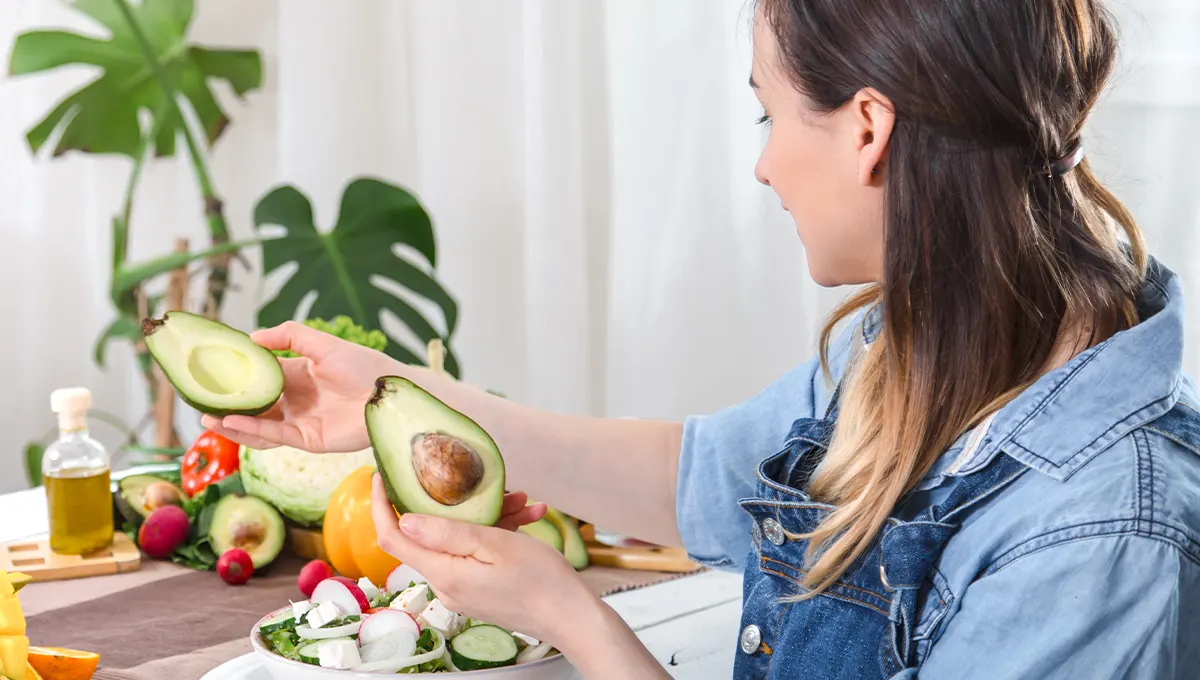
If "low fat" makes you picture plain salads and boring meals, think again. Low fat diet foods can include sweet potatoes, berries, oatmeal, beans, chicken, white fish, mushrooms, yogurt, and plenty of flavorful vegetables. The real trick isn't deprivation. It's knowing which foods naturally contain less fat and how to turn them into meals you'd actually choose to eat twice.
Here's the part most low-fat guides skip: fat isn't the enemy. The average adult needs roughly 20–35% of daily calories from fat, and cutting it too aggressively can leave you low on energy and struggling to absorb fat-soluble vitamins like A, D, E, and K. A "low-fat diet" done well isn't about hitting zero it's about shifting the balance, favoring nutrient-dense whole foods over the deep-fried, butter-laden, or cream-sauced versions of the same meals.
This guide gives you 20 practical foods, the numbers behind them, and simple ways to build them into breakfast, lunch, and dinner no bland-salad detour required.
Quick Overview
|
Food group |
Easy low-fat choices |
|
Fruits |
Berries, apples, oranges, melon |
|
Vegetables |
Spinach, broccoli, mushrooms, carrots |
|
Grains |
Oatmeal, brown rice, quinoa |
|
Protein |
Lentils, beans, chicken breast, white fish |
|
Dairy |
Fat-free milk, low-fat yogurt, cottage cheese |
|
Other |
Potatoes, sweet potatoes, salsa, broth-based soups |
The goal isn't to eat only "fat-free" foods. It's to build meals around foods that provide useful nutrients while keeping overall fat intake appropriate for your needs.
20 Low Fat Diet Foods Worth Adding to Your Plate
The best low fat diet foods aren't special "diet" products they're everyday foods from a regular grocery store. The key is choosing foods naturally low in fat, then preparing them without loading up on butter, heavy sauces, or deep-frying.
Here are 20 practical options to rotate through breakfast, lunch, dinner, and snacks.
1. Leafy Greens
Spinach, kale, and collards are naturally low in fat while delivering folate, calcium, potassium, and vitamins A and K. A cup of raw spinach has under 1 gram of fat and just 7 calories.
Easy idea: Toss spinach into eggs, soups, pasta, or a grain bowl.
2. Berries
Strawberries, blueberries, raspberries, and blackberries are naturally fat-free and high in fiber and antioxidants a cup of blueberries has about 4 grams of fiber for under 85 calories.
Try: Berries + oatmeal + low-fat yogurt.
3. Apples and Oranges
Whole fruit satisfies a sweet craving without turning dessert into a high-fat choice, and the fiber in the skin and pulp helps you feel full longer than juice does.
Try: An apple with cinnamon, or orange segments alongside breakfast.
4. Sweet Potatoes
One medium sweet potato has less than half a gram of fat and a strong dose of vitamin A (as beta-carotene) and potassium.
Try: Bake one and top it with black beans and salsa.
5. Potatoes
A plain baked or boiled potato is naturally fat-free. The toppings are where things quickly change a loaded baked potato can pick up 15+ grams of fat from butter, cheese, and sour cream alone.
Swap: Sour cream and bacon → plain low-fat yogurt, salsa, herbs, or green onions.
6. Oatmeal
A half-cup of dry oats has around 3 grams of fat (mostly unsaturated) and 4 grams of fiber, which helps steady blood sugar through the morning.
Try: Oats + banana + berries + cinnamon.
7. Brown Rice
A filling, low-fat base for lunch or dinner, with more fiber and B vitamins than white rice thanks to the intact bran layer.
Pair it with: Black beans, steamed vegetables, salsa, and a lean protein.
8. Quinoa
Technically a seed, quinoa is one of the few plant foods that's a complete protein meaning it has all nine essential amino acids while staying naturally low in fat.
9. Beans
Black beans, kidney beans, and pinto beans pack roughly 15 grams of protein and 15 grams of fiber per cooked cup, with less than 1 gram of fat.
Easy meal: Bean tacos with corn tortillas, lettuce, tomatoes, and salsa.
10. Lentils
A cooked cup of lentils has about 18 grams of protein and under 1 gram of fat one of the most efficient plant proteins available.
Try: Lentil soup with vegetables and whole-grain bread.
11. Mushrooms
Mushrooms add a savory, "meaty" texture (thanks to naturally occurring glutamates) without contributing much fat, making them a smart substitute in dishes that usually rely on fattier meat for depth of flavor.
Try: Sauté with garlic and herbs using a small amount of cooking oil.
12. Broccoli and Other Cruciferous Vegetables
Broccoli, cauliflower, cabbage, and Brussels sprouts are low-fat and high-volume, meaning they add bulk and fullness to a plate for very few calories.
13. Chicken Breast
Skinless chicken breast has about 3 grams of fat per 3-ounce cooked serving, versus roughly 8–9 grams with the skin on. The American Cancer Society includes skinless chicken and turkey breast among lower-fat protein choices.
Best preparation: Grill, bake, roast, or air-fry rather than deep-frying.
14. White Fish
Cod, haddock, and pollock typically have 1 gram of fat or less per 3-ounce serving while still delivering 15–20 grams of protein. The American Cancer Society specifically lists white fish, crab, and shrimp among lower-fat choices.
15. Egg Whites
Nearly all of an egg's fat is in the yolkswapping to whites keeps the protein (about 4 grams per white) without the fat.
Try: An egg-white vegetable scramble with spinach, mushrooms, and tomatoes.
16. Low-Fat Yogurt
Plain low-fat yogurt keeps the protein and calcium of regular yogurt with a fraction of the fat and it works as a stand-in for sour cream or mayo in most recipes.
Try: Yogurt + berries + oats for a quick snack.
17. Cottage Cheese
Low-fat cottage cheese delivers roughly 12–14 grams of protein per half-cup, making it one of the more filling low-fat dairy options.
Try: Pair it with pineapple, berries, or sliced peaches.
18. Fat-Free or Low-Fat Milk
Skim milk has essentially the same calcium, vitamin D, and protein as whole milk, just without the 8 grams of fat per cup.
19. Salsa
A tablespoon of salsa has close to zero fat and adds real flavor to potatoes, rice bowls, tacos, eggs, and beans without the fat of creamy or cheese-based sauces.
20. Broth-Based Soups
Vegetable or low-fat chicken broth forms a satisfying, low-fat base for soups built around vegetables, beans, lentils, rice, or lean protein generally far lighter than cream-based soups, which can carry 15+ grams of fat per serving.
What Are the Best Low Fat Foods for Breakfast?
A low-fat breakfast doesn't have to be tiny. Try one of these combinations:
- Oatmeal + berries + low-fat milk
- Egg-white scramble + whole-grain toast + fruit
- Low-fat yogurt + banana + oats
- Whole-grain cereal + fat-free milk + strawberries
The key is combining a carbohydrate source with protein and fruit, rather than simply choosing the lowest-fat item available.
What Are Good Low Fat Foods for Lunch and Dinner?
Lunch and dinner are where a list of individual foods needs to become an actual meal. Combine a lean protein or plant protein with vegetables and a filling grain or starch this makes a lower-fat meal feel like a real meal, not a plate of "diet food."
|
Meal idea |
Low-fat foods to combine |
Approx. fat |
Easy flavor boost |
|
Chicken rice bowl |
Skinless chicken breast + brown rice + broccoli |
~6g |
Salsa, lemon, herbs |
|
Bean & veggie bowl |
Black beans + brown rice + tomatoes + lettuce |
~2g |
Salsa + lime |
|
Baked potato plate |
Baked potato + steamed broccoli + low-fat yogurt |
~1g |
Chives + black pepper |
|
Fish dinner |
Baked cod + roasted vegetables + potatoes |
~4g |
Lemon + garlic |
|
Lentil bowl |
Lentils + quinoa + spinach + tomatoes |
~3g |
Cumin + fresh herbs |
|
Veggie pasta |
Whole-grain pasta + mushrooms + spinach + tomato sauce |
~4g |
Garlic + basil |
|
Chicken wrap |
Whole-wheat tortilla + chicken breast + lettuce + tomato |
~7g |
Mustard + salsa |
|
Lentil soup meal |
Broth-based lentil soup + whole-grain bread + side salad |
~3g |
Herbs + black pepper |
These combinations follow a simple formula: lean protein or legumes + vegetables + a grain or starchy food + flavorful, lower-fat toppings. The American Cancer Society lists beans, lentils, skinless poultry, white fish, oatmeal, brown rice, whole-grain pasta, fruits, vegetables, salsa, and broth-based soups among lower-fat choices.
Easy Swaps That Make Meals Lower in Fat
You don't need to overhaul your favorite meals. Small substitutions make a real difference:
|
Instead of |
Try |
|
Fried chicken |
Baked or grilled skinless chicken breast |
|
Creamy dressing |
Salsa, mustard, or a lighter vinaigrette |
|
Bacon toppings |
Mushrooms, tomatoes, or green onions |
|
Cream-based pasta sauce |
Tomato-based sauce |
|
Heavy sour cream |
Plain low-fat yogurt |
|
Fried potatoes |
Baked or roasted potatoes |
|
Fatty cuts of meat |
Beans, lentils, skinless poultry, or leaner cuts |
Cooking method matters as much as ingredient choice. A naturally low-fat potato becomes a much heavier dish once it's deep-fried and buried in high-fat toppings. The same is true for vegetables: they stay low-fat when steamed, roasted, or lightly sautéed, but pick up significant fat when cooked in large amounts of butter or oil.
Three Common Mistakes People Make on a "Low-Fat" Diet
- Replacing fat with added sugar. Many packaged "low-fat" snacks compensate for lost flavor with sugar, which can leave you hungrier and doesn't automatically make the product healthier.
- Cutting out all fat, including the healthy kind. Unsaturated fats from foods like fish, nuts, and olive oil support heart and brain health the goal is shifting the type of fat, not eliminating it.
- Under-eating protein. Many high-fat proteins (like fatty cuts of beef) get cut without a low-fat replacement added in, which can leave meals unsatisfying and short on protein.
What About High-Carb, Low-Fat Foods?
If you're specifically looking for high-carb, low-fat foods, several everyday options fit:
- Oatmeal
- Potatoes
- Sweet potatoes
- Rice
- Corn
- Fruit
- Whole-grain cereals
- Whole-grain pasta
However, "high carb" doesn't automatically mean "healthy." Choose options that also provide fiber and other nutrients, and pay attention to what you add to them.
Are Low-Fat Food Products Always Healthy?
No. A product labeled "low-fat" isn't automatically the best choice. When shopping, look beyond the fat number and check:
- Added sugar
- Saturated fat
- Sodium
- Calories
- Protein
- Fiber
- Serving size
The American Cancer Society notes that "low-fat" foods have specific labeling criteria, while "light" products can still contain substantial fat. Plain low-fat yogurt with berries, for instance, is a very different nutritional choice from a heavily sweetened low-fat dessert even though both might carry a "low-fat" label.
Foods Without Fat: Do You Need to Avoid All Fat?
Not necessarily and this is one of the biggest misconceptions about low-fat eating. Dietary fat plays real roles in the body, from hormone production to vitamin absorption, and foods such as nuts, seeds, avocado, and certain fish provide healthier unsaturated fats. The American Cancer Society distinguishes unsaturated fats from saturated fats and recommends paying attention to the type of fat you eat, not just the total amount.
So instead of asking, "How can I remove every gram of fat?" a better question is:
"Which foods give me the nutrients I need while helping me manage the amount and type of fat I eat?"
Conclusion
Choosing low fat diet foods doesn't mean living on salads or scanning every label for a zero-fat claim. Start with foods you genuinely enjoy: berries at breakfast, oatmeal when you need something filling, beans and rice for lunch, roasted vegetables with dinner, and low-fat yogurt for a snack. Then use simple swaps baked instead of fried, skinless poultry instead of fatty cuts, salsa instead of creamy toppings to gradually lower the fat in everyday meals.
If a healthcare professional has specifically recommended a low-fat diet for you, follow their guidance on how much fat to include. Otherwise, don't aim for perfect — aim for one swap today.
FAQs
- What are the best low-fat foods?
Fruits, vegetables, beans, lentils, oatmeal, rice, potatoes, lean poultry, white fish, low-fat dairy, and egg whites are practical choices. - What foods have little or no fat?
Many fruits and vegetables are naturally very low in fat. Fat-free dairy products and egg whites are additional options.
- Can I eat carbs on a low-fat diet?
Yes. Oatmeal, rice, potatoes, sweet potatoes, fruit, and whole grains can all fit into a balanced lower-fat eating pattern.
- What should I eat on a low-fat diet plan?
Start with vegetables and fruit, add a lean protein or plant protein, choose a grain or starchy food, and use sauces and cooking methods that don't add excessive fat.
- Is a low-fat diet the same as a low-calorie diet?
No. Fat has more calories per gram than protein or carbs, so cutting fat often lowers calories too but a low-fat food can still be high in sugar or calories, so the two aren't interchangeable.